
Nail surgery
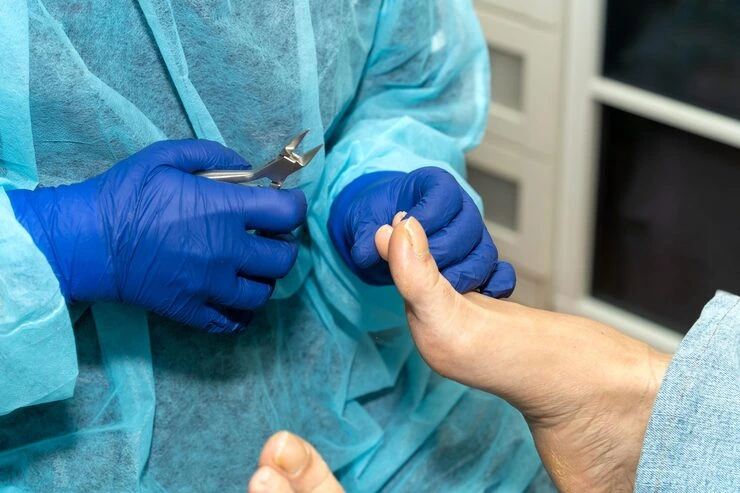
Nail Surgery is one of the common dermatology procedures available at our clinic. The treatment is designed to manage painful, infected, damaged, ingrown, thickened, or abnormal nails that do not improve with regular medicines or home care. Nail problems can affect the fingernails or toenails and may cause pain, swelling, pus discharge, difficulty walking, repeated infection, or cosmetic concern.
Nail problems may develop due to injury, tight footwear, improper nail cutting, fungal infection, repeated pressure, diabetes, poor hygiene, skin diseases, or abnormal nail growth. In many patients, an ingrown toenail is one of the most common reasons for Nail Surgery. This happens when the edge of the nail grows into the surrounding skin, causing pain, redness, swelling, and sometimes infection. Nail Surgery helps remove the problematic part of the nail and allows the area to heal properly.
Nail Surgery is not the same for every patient because nail conditions can vary in severity, cause, location, and infection status. Some patients may need partial nail removal, while others may need treatment for infected nails, damaged nails, or recurring ingrown nails. At Ziva Skin and Hair Center, our dermatologist examines the nail carefully and recommends a suitable procedure based on your condition.
How long does Nail Surgery result last?
The results of Nail Surgery depend on the type of nail problem, treatment method used, nail growth pattern, footwear habits, hygiene, and aftercare followed by the patient. If the problematic nail portion is removed properly and the cause is controlled, the chances of recurrence can be reduced.
Healing after Nail Surgery may take a few days to a few weeks depending on the procedure performed and the severity of infection or inflammation. Nail regrowth may take longer, especially in toenails. At Ziva Skin and Hair Center, our dermatologist will guide you on the expected healing time, dressing care, follow-up visits, and precautions required after the procedure.
Who is suitable for Nail Surgery?
Nail Surgery is suitable for patients who have painful, infected, ingrown, damaged, thickened, or abnormal nails that are causing discomfort or repeated problems. It may also be recommended when medicines are not enough to control the condition.
We are often asked who should consider Nail Surgery. This treatment is commonly recommended for:
Ingrown toenails
Painful nails
Infected nails
Nail swelling
Pus discharge around the nail
Damaged nails due to injury
Thickened nails
Repeated nail infections
Abnormal nail growth
Nails causing difficulty while walking
Nail problems due to tight footwear
Recurring nail pain after cutting
However, every nail condition is different. If you have severe pain, spreading redness, pus, bleeding, fever, diabetes, black discoloration of the nail, or repeated nail infection, it is important to consult the dermatologist early for proper diagnosis and treatment.
What will the treatment involve?
Nail Surgery at Ziva Skin and Hair Center begins with a detailed examination of the affected nail. The dermatologist will check the nail shape, swelling, redness, infection, pain level, pus discharge, and surrounding skin condition. Your history of injury, footwear use, nail cutting habits, diabetes, fungal infection, and previous treatment may also be discussed.
The treatment may involve partial nail removal, complete nail removal, drainage of infection, removal of the ingrown nail edge, or correction of the abnormal nail growth depending on the condition. If there is active infection, medicines may be given before or after the procedure.
In many cases, Nail Surgery is performed under local anaesthesia. The affected area is numbed before the procedure to reduce pain. The problematic nail portion is then carefully removed, and dressing is applied. The complete procedure is usually done as a minor outpatient procedure and does not require hospital admission.
Is Nail Surgery safe?
Nail Surgery is generally safe when performed by a qualified dermatologist using the right technique and proper sterile precautions. Since nail infections can worsen if handled incorrectly, it is important not to cut, pull, or remove infected or ingrown nails at home.
At Ziva Skin and Hair Center, Nail Surgery is planned after examining the nail condition, infection status, medical history, and healing capacity of the patient. This helps reduce the risk of infection, bleeding, delayed healing, and recurrence. Patients should always inform the dermatologist if they have diabetes, poor blood circulation, bleeding disorders, allergies, or are taking blood-thinning medicines.
Does Nail Surgery hurt?
Nail Surgery is usually comfortable because local anaesthesia is used before the procedure. The anaesthesia helps numb the area so that the patient does not feel significant pain during the surgery. Some patients may feel mild pressure or movement during the procedure, but it is usually well tolerated.
After the anaesthesia wears off, mild pain, swelling, or tenderness may occur for a few days. This can usually be managed with medicines and proper wound care advised by the dermatologist. If the nail was already infected or swollen, discomfort may take a little longer to settle.
What happens after Nail Surgery?
After Nail Surgery, the treated area will be covered with a dressing. Mild swelling, redness, pain, or oozing may occur for a short time depending on the condition treated. The dermatologist will explain how to keep the area clean and dry and when to change the dressing.
At Ziva Skin and Hair Center, our dermatologist will advise you to avoid tight footwear, pressure on the treated toe or finger, scratching, picking the wound, and applying random creams or home remedies. You may also be advised to keep the foot elevated for a short period and wear open or comfortable footwear until healing improves.
Follow-up visits may be required to check healing and remove or change dressing if needed. Proper aftercare is important to prevent infection and reduce the chance of recurrence.
What are the possible side effects?
Nail Surgery may have mild and temporary side effects depending on the procedure performed and the severity of the nail problem. Some patients may experience pain, swelling, redness, mild bleeding, tenderness, temporary discharge, or sensitivity around the treated nail.
Rarely, infection, delayed healing, recurrence of ingrown nail, nail deformity, or scarring may occur. The risk of side effects can be reduced when the procedure is performed by a trained dermatologist and aftercare instructions are followed properly.
At Ziva Skin and Hair Center, the treatment is planned carefully according to your nail condition, infection status, and medical history to ensure a safe and comfortable experience.
Who should not use Nail Surgery?
If you are considering Nail Surgery, you should always book a consultation with Ziva Skin and Hair Center. Certain conditions may require special care before the procedure.
You may need special medical advice before Nail Surgery if:
You have uncontrolled diabetes
You have poor blood circulation
You have severe nail infection with spreading redness
You have bleeding disorders
You are taking blood-thinning medicines
You have severe swelling or pus discharge
You have fever along with nail infection
You have delayed wound healing
You have severe skin allergy or rashes near the nail
You have recently injured the nail badly
You have used home remedies or chemicals on the nail
A proper consultation helps the dermatologist decide whether Nail Surgery is suitable for you and which procedure is safest for your nail condition.
Book an Appointment
If a nail problem is causing pain, swelling, infection, pus discharge, difficulty walking, or repeated discomfort, Nail Surgery can help treat the condition safely and effectively. Book your consultation at Ziva Skin and Hair Center to know the right treatment option for your nail concern.
Need Help
Our Clients Says
Trustindex verifies that the original source of the review is Google. GoodPosted on GoogleTrustindex verifies that the original source of the review is Google. I’m really impressed with my results. When I came to Dr., I was really hopeless, looking at my face. I had a lot of white heads blackheads , and hormonal acne, and then I couldn’t see any hope. When I meet the doctor within 6 to 7 months, I can see a drastic change in my face, and all the treatments Sir has provided are amazing. The laser treatment ,MNRF, CO2 has helped me a lot in becoming a more confident person. I will personally give the Dr a 5-star rating. Also, I will and I am still in touch with Dr wherever I am Dr. provides a video call consultation, so start your journey from right now, if you are the person who is facing a lot of problems.Posted on GoogleTrustindex verifies that the original source of the review is Google. One of the best skin & hair clinic I have known. I have referred many known people here and all have got best results. Dr. Harsha is the best one & all the staffs here are very friendly and professional at the same time.Posted on GoogleTrustindex verifies that the original source of the review is Google. Best clinic, best treatment ,very good Doctor and staffs , explains everything patiencely .Posted on GoogleTrustindex verifies that the original source of the review is Google. Had a really good experience at Ziva Clinic. The clinic is clean, professional, and the staff is very supportive and friendly. The treatment process was smooth, and they explain everything properly which makes you feel comfortable and confident. Special thanks to technician Manjunath for his excellent work and behaviour. He is very skilled, patient, and polite throughout the sessions. Really appreciated his professionalism and the way he handles clients. Highly recommended for anyone looking for quality derma treatments.