
Keloid Treatment
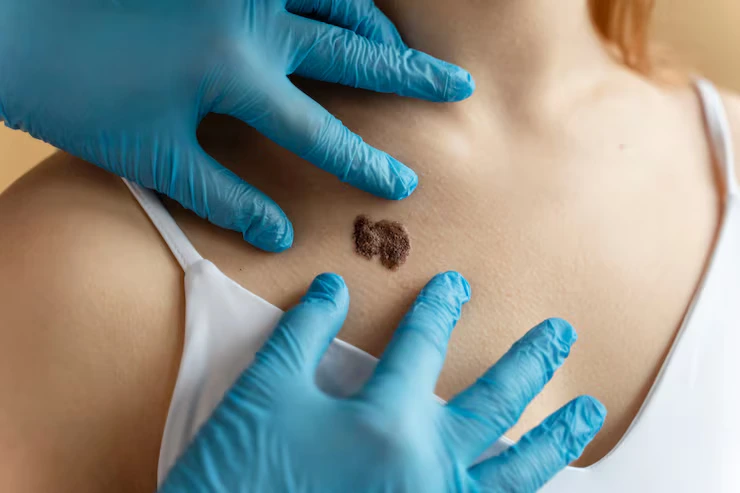
Keloid Treatment is one of the important scar management treatments available at our clinic. The treatment is designed to reduce raised, thick, hard, itchy, or painful scars that grow beyond the original wound area. Keloids can develop after acne, cuts, burns, ear piercing, surgery, injuries, tattoos, injections, or skin infections, and they may appear on the chest, shoulders, back, ears, face, neck, or other parts of the body.
Keloids form when the skin produces excess collagen during the healing process. Instead of healing as a flat scar, the scar tissue continues to grow and becomes raised, firm, and sometimes darker than the surrounding skin. Some keloids may remain small, while others may slowly enlarge over time. Keloid Treatment helps flatten, soften, reduce discomfort, and improve the appearance of the raised scar.
Keloid Treatment is not the same for every patient because the size, thickness, location, age, and growth pattern of the keloid can vary. Some patients may have mild raised scars, while others may have large, painful, or recurring keloids. At Ziva Skin and Hair Center, our dermatologist examines the keloid carefully and recommends a suitable treatment plan based on your skin type, scar condition, and previous history.
How long does Keloid Treatment result last?
The results of Keloid Treatment depend on the size of the keloid, thickness of the scar, treatment method used, number of sessions, skin type, and tendency of the patient to form keloids. Some keloids may soften and flatten gradually after a few sessions, while larger or older keloids may require longer treatment.
Keloids have a tendency to recur in some patients, especially if the skin is injured again or if treatment is stopped early. At Ziva Skin and Hair Center, our dermatologist will guide you on the expected treatment duration, follow-up sessions, and preventive care needed to reduce the chance of recurrence.
Who is suitable for Keloid Treatment?
Keloid Treatment is suitable for patients who have raised, thick, firm, itchy, painful, or cosmetically disturbing scars. It may also be recommended for people who have keloids after ear piercing, acne, surgery, burns, cuts, or injuries.
We are often asked who should consider Keloid Treatment. This treatment is commonly recommended for:
Raised scars
Thick and hard scars
Itchy keloids
Painful keloids
Ear keloids after piercing
Acne-related keloids
Surgical keloids
Burn-related keloids
Keloids on chest or shoulders
Keloids that are increasing in size
Dark or discoloured raised scars
Recurring keloids after previous treatment
However, every patient’s skin is different. If you have a growing scar, pain, itching, repeated irritation, infection, or a history of developing keloids after minor injuries, it is important to consult the dermatologist before trying any treatment or home remedy.
What will the treatment involve?
Keloid Treatment at Ziva Skin and Hair Center begins with a detailed skin and scar examination. The dermatologist will assess the size, thickness, colour, tenderness, location, and growth pattern of the keloid. Your history of injury, surgery, piercing, acne, previous treatments, and tendency to form scars may also be discussed.
The treatment may include intralesional injections, silicone gel sheets, pressure therapy, laser treatment, medicated creams, cryotherapy, or surgical correction in selected cases. In many patients, a combination of treatments may be required to flatten the keloid and reduce the chance of recurrence.
The exact treatment method depends on the type and severity of the keloid. Some treatments may need to be repeated at regular intervals for better results. The dermatologist will explain the treatment plan, expected improvement, and aftercare before starting the procedure.
Is Keloid Treatment safe?
Keloid Treatment is generally safe when performed by a qualified dermatologist using the right technique. Since keloids are sensitive scars and may recur if not managed properly, treatment should always be planned carefully.
At Ziva Skin and Hair Center, Keloid Treatment is selected according to your skin type, keloid size, location, medical history, and previous response to treatment. This helps reduce the risk of irritation, pigmentation, infection, or recurrence. Patients should always inform the dermatologist if they have diabetes, delayed wound healing, bleeding tendency, or previous keloid recurrence.
Does Keloid Treatment hurt?
The level of discomfort during Keloid Treatment depends on the procedure performed. Some treatments such as creams or silicone sheets do not cause pain. Injection-based treatments may cause mild to moderate discomfort because the medicine is placed directly into the keloid.
To make the procedure more comfortable, numbing cream or local anaesthesia may be used when required. Some patients may feel pressure, pricking, or mild burning during the treatment. The discomfort is usually temporary and manageable. Our dermatologist will guide you before the procedure and take steps to improve your comfort.
What happens after Keloid Treatment?
After Keloid Treatment, the treated area may have mild redness, swelling, tenderness, or temporary discomfort depending on the treatment method used. Over time, the keloid may become softer, flatter, less itchy, and less painful. Improvement is usually gradual and may require multiple sessions.
At Ziva Skin and Hair Center, our dermatologist will advise you to avoid scratching, pressing, irritating, or injuring the treated area. You may also be asked to avoid unnecessary piercing, tattoos, or procedures in areas where you are prone to keloids. Sunscreen may be recommended if the keloid is present on a sun-exposed area.
Regular follow-up is important because keloids can recur. Following the dermatologist’s instructions carefully helps improve results and reduce the chance of the scar becoming raised again.
What are the possible side effects?
Keloid Treatment may have mild and temporary side effects depending on the treatment method used. Some patients may experience redness, swelling, pain, tenderness, bruising, temporary pigmentation, skin thinning, or mild irritation at the treated site.
Rarely, infection, delayed healing, colour changes, or recurrence may occur. The risk of side effects can be reduced when the treatment is performed under dermatologist supervision and proper aftercare is followed.
At Ziva Skin and Hair Center, the treatment is planned according to your scar type, skin condition, and healing tendency to ensure a safe and comfortable experience.
Who should not use Keloid Treatment?
If you are considering Keloid Treatment, you should always book a consultation with Ziva Skin and Hair Center. Certain conditions may require special care before starting treatment.
You may need special medical advice before Keloid Treatment if:
You have an active skin infection
You have open wounds near the keloid
You have pus, bleeding, or severe pain in the scar
You have uncontrolled diabetes
You have delayed wound healing
You are pregnant or breastfeeding, depending on the treatment type
You are taking blood-thinning medicines
You have severe skin allergy or rashes
You have recently undergone surgery or piercing in the same area
You have a history of repeated keloid recurrence
You have used home remedies or chemicals on the scar
A proper consultation helps the dermatologist decide whether Keloid Treatment is suitable for you and which treatment method is safest for your skin and scar condition.
Book an Appointment
If a raised scar is causing itching, pain, discomfort, or affecting your appearance, Keloid Treatment can help flatten the scar and improve skin comfort. Book your consultation at Ziva Skin and Hair Center to know the right treatment option for your keloid and skin type.
Need Help
Our Clients Says
Trustindex verifies that the original source of the review is Google. GoodPosted on GoogleTrustindex verifies that the original source of the review is Google. I’m really impressed with my results. When I came to Dr., I was really hopeless, looking at my face. I had a lot of white heads blackheads , and hormonal acne, and then I couldn’t see any hope. When I meet the doctor within 6 to 7 months, I can see a drastic change in my face, and all the treatments Sir has provided are amazing. The laser treatment ,MNRF, CO2 has helped me a lot in becoming a more confident person. I will personally give the Dr a 5-star rating. Also, I will and I am still in touch with Dr wherever I am Dr. provides a video call consultation, so start your journey from right now, if you are the person who is facing a lot of problems.Posted on GoogleTrustindex verifies that the original source of the review is Google. One of the best skin & hair clinic I have known. I have referred many known people here and all have got best results. Dr. Harsha is the best one & all the staffs here are very friendly and professional at the same time.Posted on GoogleTrustindex verifies that the original source of the review is Google. Best clinic, best treatment ,very good Doctor and staffs , explains everything patiencely .Posted on GoogleTrustindex verifies that the original source of the review is Google. Had a really good experience at Ziva Clinic. The clinic is clean, professional, and the staff is very supportive and friendly. The treatment process was smooth, and they explain everything properly which makes you feel comfortable and confident. Special thanks to technician Manjunath for his excellent work and behaviour. He is very skilled, patient, and polite throughout the sessions. Really appreciated his professionalism and the way he handles clients. Highly recommended for anyone looking for quality derma treatments.